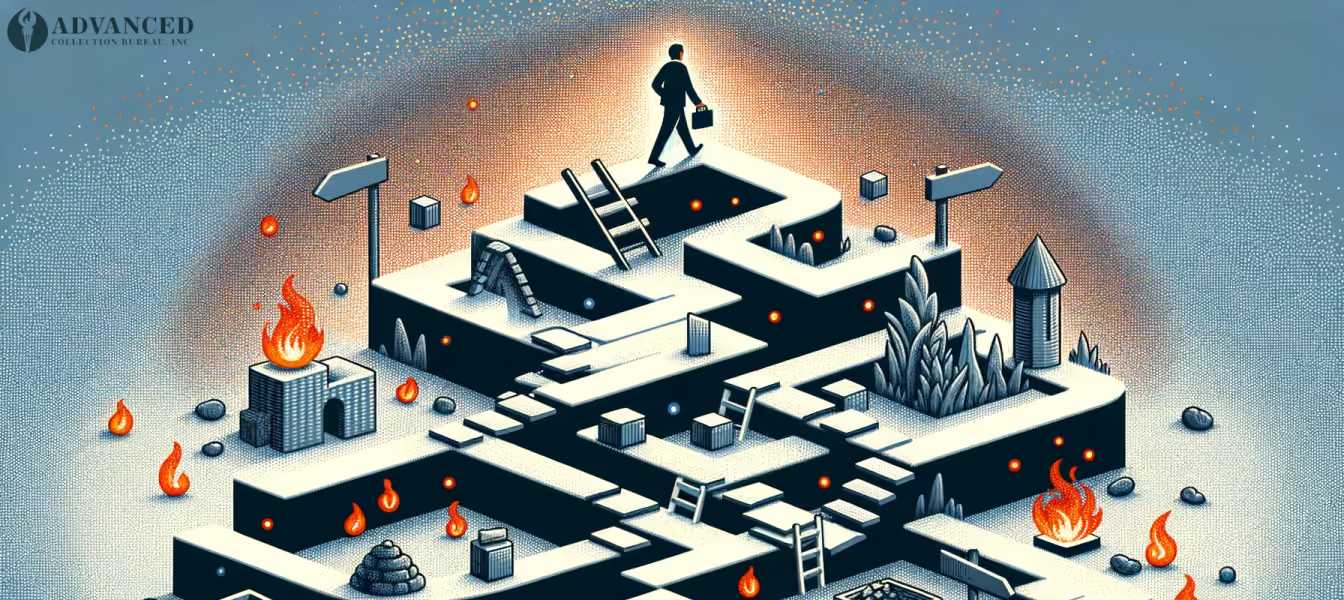
Recovering past-due accounts is a critical component of maintaining a healthy cash flow for apartment communities. However, the debt collection process can be complex and fraught with potential pitfalls that can hinder your success. In this article, we'll explore five common mistakes that apartment communities make when collecting past-due accounts and provide guidance on how to avoid them to optimize your debt recovery efforts.
Failing to communicate effectively with debtors
One of the most common mistakes apartment communities make is not communicating effectively with debtors. This can include using overly aggressive or threatening language, failing to provide clear and accurate information about the debt, or not offering flexible repayment options. To avoid this mistake, prioritize clear, professional, and empathetic communication that focuses on finding mutually beneficial solutions.
Neglecting to properly document past-due accounts
Another frequent misstep is failing to maintain accurate and detailed records of past-due accounts, including lease agreements, move-out statements, and payment histories. This can make it more difficult to validate debts and pursue legal action if necessary. To prevent this issue, establish a system for thoroughly documenting all past-due accounts and securely storing this information for easy access.
Waiting too long to begin collection efforts
Many apartment communities make the mistake of waiting too long to initiate collection efforts on past-due accounts. The longer you wait, the more difficult it becomes to locate debtors and recover what's owed. To avoid this pitfall, establish a clear timeline for when past-due accounts will be referred to collections and stick to it consistently.
Not staying current on legal requirements and best practices
The legal landscape of debt collection is constantly evolving, with new laws and regulations being introduced at the federal, state, and local levels. Failing to stay informed about these changes can expose your community to potential legal liabilities and damage your reputation. To mitigate this risk, make sure to regularly educate yourself and your staff on the latest legal requirements and best practices for debt collection.
Trying to handle everything in-house
Finally, many apartment communities make the mistake of trying to handle all of their debt collection efforts in-house, rather than partnering with a specialized agency. While this may seem like a cost-saving measure, it can actually lead to lower recovery rates, increased legal risks, and a significant drain on your staff's time and resources. To optimize your debt recovery efforts, consider outsourcing to a reputable collection agency with a proven track record of success in the apartment industry.
At Advanced Collection Bureau, we have over 25 years of experience helping apartment communities navigate the complexities of debt collection and avoid these common mistakes. Our team of certified collectors combines a deep understanding of the legal landscape with a "sales-minded approach" that prioritizes effective communication, flexible repayment options, and a focus on preserving positive relationships with debtors. If you're looking for a partner to help you optimize your debt recovery efforts and avoid potential pitfalls, we'd love to hear from you. Contact us today to learn more about how we can help your community succeed.
The content, information, and templates provided by Advanced Collection Bureau, Inc. — including but not limited to articles, rental applications, lease agreements, and notice forms — are intended for general informational and educational purposes.
They are not legal advice and should not be relied upon as such. The information is general in nature and may not reflect the most current legal developments or account for the specific requirements of your state, city, or municipality.
Use of this content or any associated templates does not create an attorney-client relationship between you and Advanced Collection Bureau, Inc. We make no warranties or representations as to the accuracy, completeness, suitability, or legal enforceability of any content or document provided. Advanced Collection Bureau, Inc. is not a law firm or an attorney.
By accessing, downloading, or using any material from this website, you acknowledge and agree that you are solely responsible for ensuring compliance with all applicable U.S. federal, state, and local laws, and that you will seek guidance from a qualified legal professional as needed.
Advanced Collection Bureau, Inc., its affiliates, and contributors expressly disclaim any and all liability for any loss, damage, or claim arising out of or in connection with the use or misuse of the content, advice, and templates provided.