Unpaid rent can quickly become a major issue for landlords and property managers. Missed payments not only strain cash flow but can also lead to long, drawn-out disputes that disrupt tenant relationships and property operations. Knowing how to approach rent recovery strategically can make the difference between a fast resolution and a financial headache.
Let’s walk through how landlords can collect past-due rent effectively, protect themselves legally, and minimize the chances of repeat issues.
Understand the Cause Behind Missed Payments
Before pursuing legal or professional action, it's worth understanding why rent hasn’t been paid. In some cases, the delay might be temporary due to job loss, unexpected medical expenses, or billing miscommunication. Open, documented communication is a good first step.
If the tenant is unresponsive or unwilling to cooperate, it may be time to escalate your recovery approach.
Start with a Formal Written Notice
Sending a formal notice—often a "Pay or Quit" or "3-Day Notice to Vacate" depending on your state—alerts the tenant that legal consequences may follow if they don’t resolve the balance. This letter should include:
- The exact amount owed
- A deadline for payment
- Instructions for how to pay
It's also smart to document all communication and payment attempts in case you need to file for eviction.
Consider a Payment Plan
If a tenant wants to pay but needs time, a structured payment agreement might allow you to recover rent without further conflict. Make sure any arrangement is written and signed by both parties.
When to Hire a Rent Collection Agency
If rent remains unpaid and the tenant is unreachable or combative, it may be time to work with a rent recovery professional. Agencies like Advanced Collection Bureau (ACB) specialize in recovering residential rent, even long after the tenant has moved out.
What sets ACB apart:
- You pay nothing unless they collect.
- No hidden fees or interest charges.
- Credit reporting is done twice a month.
- They use advanced skip tracing to locate difficult-to-find tenants.
- All communications are legally compliant and professionally handled.
This hands-off approach allows landlords to recover funds while focusing on their property operations.
Explore more on how ACB assists in specialized sectors by checking out How Debt Collection Agencies Help Recover HOA and Condo Fees and Best Collection Practices for Assisted Living Facilities.
Preventing Future Rent Delinquency
Recovery is one thing—prevention is another. To reduce future rent issues:
- Screen tenants carefully with credit and income checks.
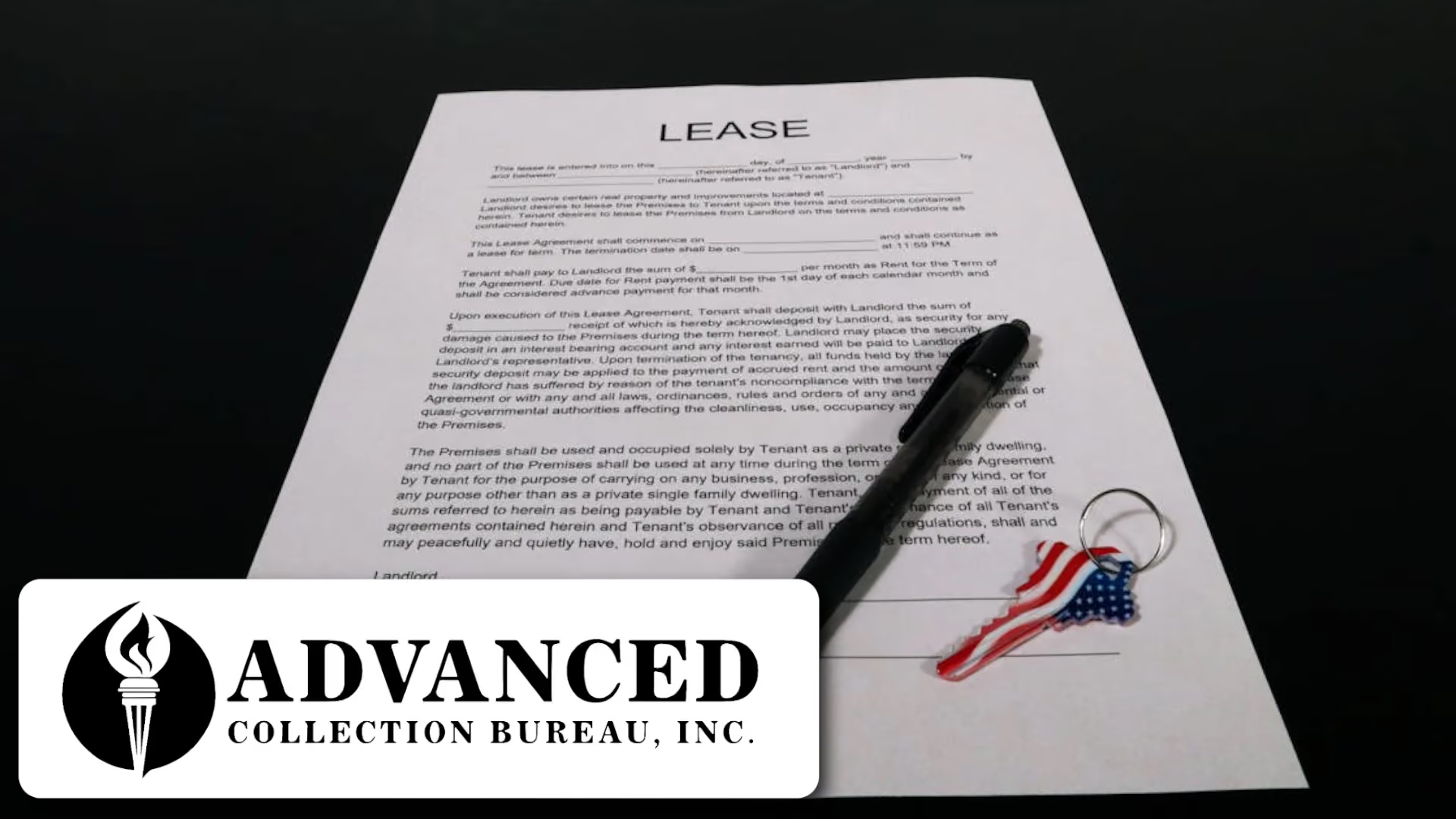
- Use a comprehensive lease agreement that outlines penalties for late payment.
- Send payment reminders before the due date.
- Offer flexible digital payment options.
For help designing better screening tools, visit our post on How to Create a Tenant Application That Works.
Legal Steps for Persistent Nonpayment
If recovery efforts fail and eviction is the only option, follow your state’s legal procedures carefully. For example, in Texas, landlords can follow the How to Serve a Texas 3 Day Notice to Vacate guide to stay compliant with state laws.
Recovering unpaid rent doesn't have to be a stressful guessing game. By acting early, documenting well, and enlisting professional help when needed, landlords can protect their bottom line.
For expert support with residential rent recovery, connect with us today at advancedcb.com/work-with-us.
The content, information, and templates provided by Advanced Collection Bureau, Inc. — including but not limited to articles, rental applications, lease agreements, and notice forms — are intended for general informational and educational purposes.
They are not legal advice and should not be relied upon as such. The information is general in nature and may not reflect the most current legal developments or account for the specific requirements of your state, city, or municipality.
Use of this content or any associated templates does not create an attorney-client relationship between you and Advanced Collection Bureau, Inc. We make no warranties or representations as to the accuracy, completeness, suitability, or legal enforceability of any content or document provided. Advanced Collection Bureau, Inc. is not a law firm or an attorney.
By accessing, downloading, or using any material from this website, you acknowledge and agree that you are solely responsible for ensuring compliance with all applicable U.S. federal, state, and local laws, and that you will seek guidance from a qualified legal professional as needed.
Advanced Collection Bureau, Inc., its affiliates, and contributors expressly disclaim any and all liability for any loss, damage, or claim arising out of or in connection with the use or misuse of the content, advice, and templates provided.